What is a local business?
andrew @ anti/corporate
June 24, 2026
516 words · 2 minutes
Terms like “small business” and “local business” are often used casually and interchangeably. A lot of online advice, tools, and resources are shared in the same manner, offering the same guidance to any business that isn’t a large corporation. That’s why it’s helpful to define what we mean by local business, so we can better connect these vital businesses with the right resources.
Independently owned and community-rooted
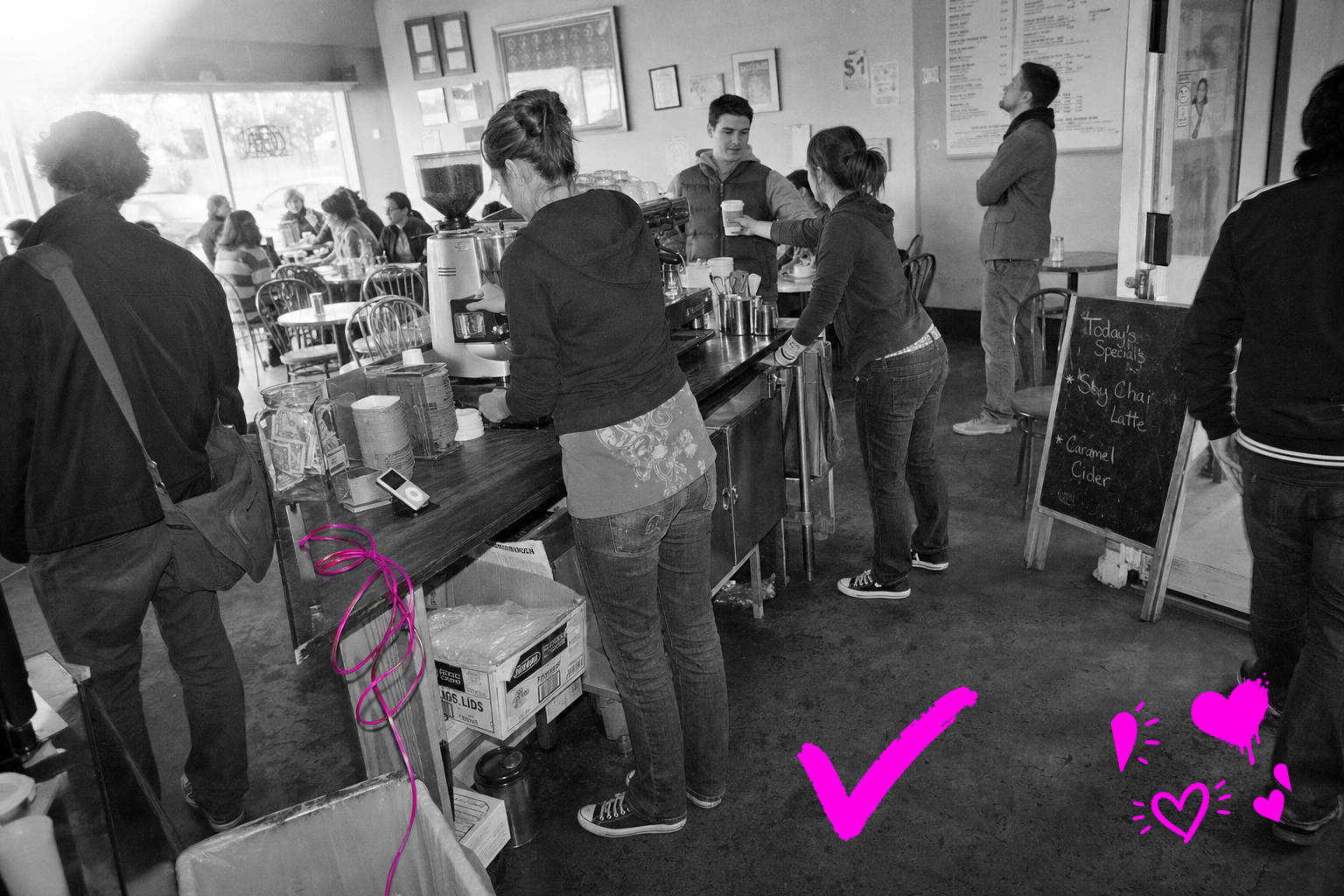
A local business is independently owned and serves its local or regional community. The coffee shop on the corner. The salon downtown. The contractor who actually calls back. The fitness studio, the family restaurant, or the accountant your neighbor recommended. Small regional businesses with a handful of locations count. National chains and franchises of national brands do not. ¹
These businesses exist in every industry, in every town, in every zip code in America. They are rooted in a place and built to serve the people who live there.
Local businesses are small businesses, but not all small businesses are local
The U.S. Small Business Administration defines “small business” broadly. Depending on the industry, a business can have up to 500 or more employees and still qualify as “small,” with some industries allowing up to 1,500 employees. ² Revenue thresholds vary too, reaching well into the tens of millions of dollars for some sectors. ²
That definition exists for good reasons. But it also means “small business” is a big tent. It includes multi-location franchises, businesses that sell primarily online, companies chasing national scale, and operators with hundreds of employees.
The local business is something more specific. Independently owned, few or no additional locations, not chasing national distribution or online-first growth, with success tied directly to the community it serves.
Most small business advice, tools, and resources are built for the broader definition. Very little is built for this one.
Local means within about 10 miles
The easiest way to define a local business is by proximity.
Americans are willing to travel an average of 8.8 miles to shop at a local business. 1 That number shifts by where you live: urban shoppers average 7.7 miles, suburban shoppers 8.9 miles, and rural customers will travel up to 10.1 miles. 1About 72% of all shoppers will travel within 10 miles. 1
That radius is your market. Not the whole city. Not the whole country. The people within roughly 10 miles of your door, including your neighbors, your community, and your regulars.
The anti/corporate point of view
Every business has a role to play in the world; you probably shop at local, small, and large businesses throughout your week. But we are pro-local.
Anti/corporate believes business is better when it is local. When the owner lives in the community. When the money stays nearby. When the business knows its customers by name. When success is measured not just in margin but in the health of the place it calls home.
Local businesses are independently owned, typically only have one (or maybe a few) locations, and primarily serve a population within about 10 miles of their shop.
Sources:
¹ anti/corporate pro local. 2026; online survey, n=1,100 U.S. adults
² U.S. Small Business Administration, Size Standards, sba.gov